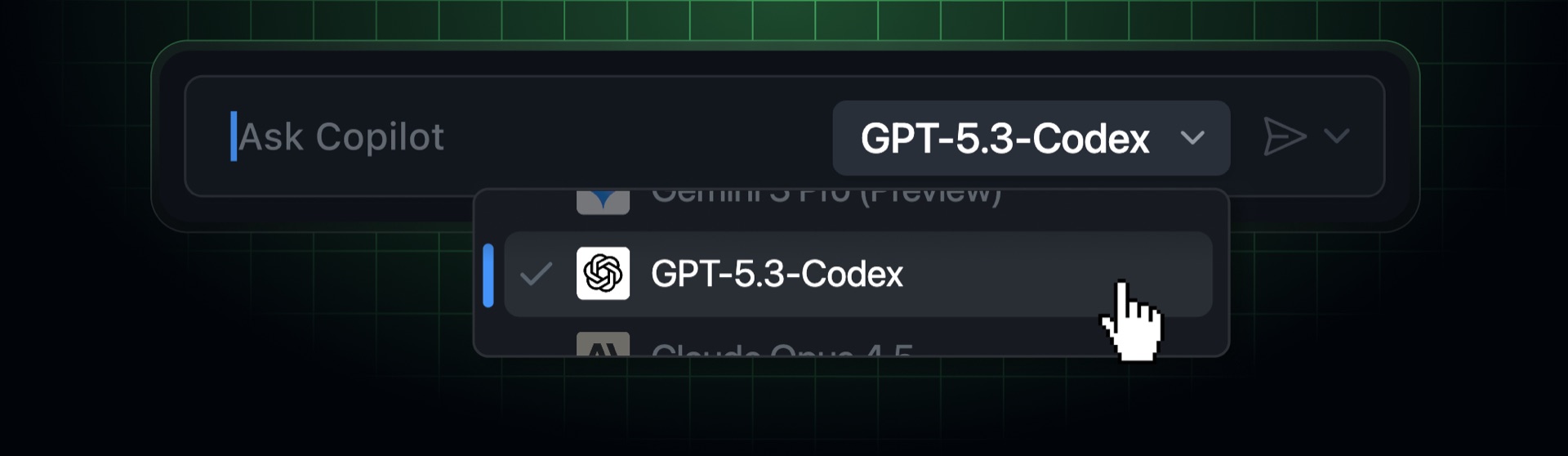

Not everything needs an AI layer. The key is knowing when it reduces friction, improves a decision or unlocks a capability that genuinely matters to the user.
Key ideas
- AI works best when it solves a real friction point instead of decorating the interface.
- Assistance, classification, summarization and guided generation often create more value than a generic chat.
- The experience still needs control, context and clear limits to remain reliable.
Start with the problem, not the technology
When an AI-based feature works well, it rarely starts with a model discussion. It starts with a concrete friction point: too much time reviewing, too many repetitive decisions or too much information with too little structure.
In those situations, AI can act as a support layer inside the product. There is no need to turn the whole experience into a conversation if the user only needs focused help at a specific moment.
- Reduce time spent on repetitive work.
- Generate first drafts that can be reviewed quickly.
- Classify or prioritize information more flexibly.
- Offer contextual assistance without breaking the main flow.
Where it usually works best
In real products, the biggest win is rarely the flashy effect. It is quiet usefulness. AI tends to be most effective when it improves work speed or decision quality without forcing the user to relearn the product.
- Summaries of long information.
- Guided suggestions inside complex forms or workflows.
- Operational assistance and internal automation.
- Content enrichment with human review.
What to avoid if you do not want hype
Integration becomes fragile when it is used as a visual claim instead of a functional part of the product. It also fails when the interface does not explain what the AI is doing, what data it uses or how much confidence the result should carry.
If the product depends on AI, it needs clear intermediate states, validation, fallbacks and a way to correct or reject the output.
- Do not promise intelligence where there is only simple automation.
- Do not hide errors or uncertainty behind polished UI.
- Do not replace control with spectacle.